Introduction
When it comes to selecting the perfect worktop for your kitchen or bathroom, the sheer number of options can feel overwhelming. Among the myriad of choices, one material has consistently risen to the top for its unparalleled blend of aesthetics and resilience: quartz. More than just a stylish surface, quartz worktops represent a significant advancement in engineered stone technology, offering homeowners a solution that is as practical as it is beautiful. But what exactly is quartz, and why has it become such a dominant force in modern interior design? This comprehensive guide will delve deep into the world of quartz, exploring its composition, benefits, and considerations to help you determine if this sophisticated and robust material is the right investment for your home.
What Exactly is Quartz? Unpacking the Engineered Marvel
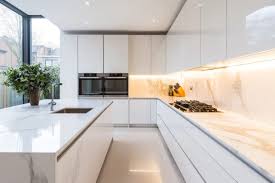
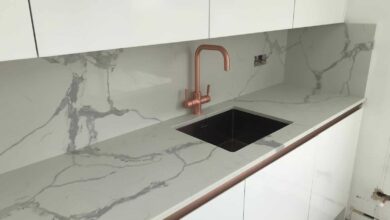
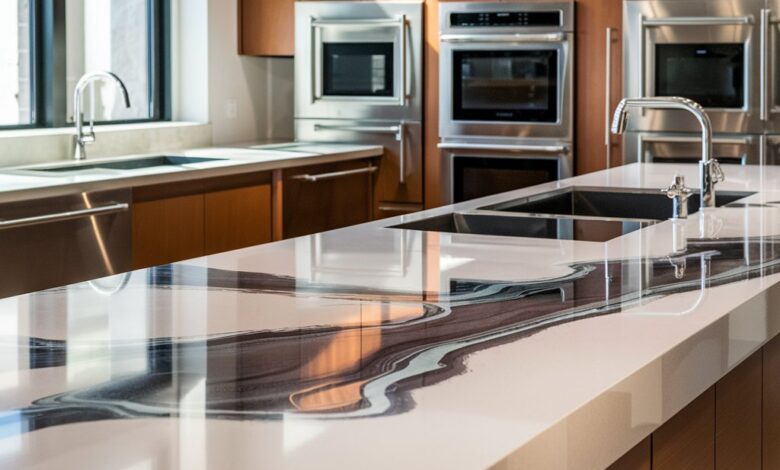
It’s a common misconception that quartz worktops are slabs of pure, natural quartz mined directly from the earth. In reality, they are a brilliant feat of engineering designed to harness the best qualities of natural stone while eliminating its inherent weaknesses. Quartz worktops are typically composed of approximately 90-95% crushed natural quartz crystals one of the hardest minerals on the planet—bound together with 5-10% polymer resins, pigments, and occasionally other materials like glass or metallic flecks for visual interest. This manufacturing process is what sets quartz apart. Unlike granite or marble, which are quarried in large, unpredictable slabs, quartz is created in a controlled factory environment. This allows for incredible consistency in colour and pattern, giving designers and homeowners a reliable palette to work with. The result is a surface that captures the luxurious, stone-like appearance we crave, but with a uniformity and range of colours that nature simply cannot provide, from pristine, pure whites to dramatic, veined designs that rival the most exotic marbles.
The Unbeatable Advantages: Why Quartz Reigns Supreme
The popularity of quartz is not without merit; it is built upon a foundation of compelling advantages that address the practical demands of daily life. Firstly, its non-porous nature is arguably its most significant benefit. Because the surface is sealed with resin during production, it does not require—and cannot accept—a periodic sealing treatment like natural stone. This makes it highly resistant to staining from common household culprits like coffee, wine, oil, and vinegar. A simple wipe-down is often all that’s needed to maintain its pristine appearance. Secondly, quartz is incredibly durable and resistant to scratching and chipping, though it is not entirely indestructible. Its hardness makes it an ideal surface for busy kitchens where food preparation is a constant activity. Furthermore, quartz is hygienic; its non-porous surface prevents bacteria, mould, and viruses from penetrating and multiplying, making it an excellent choice for both kitchen countertops and bathroom vanities where cleanliness is paramount. Finally, the design versatility is virtually limitless, with manufacturers offering an ever-expanding array of colours, patterns, and finishes, including matte, polished, and textured looks.
A Clear-Eyed View: Understanding the Limitations of Quartz
While quartz is a phenomenal material, it is not a magical, perfect substance, and understanding its limitations is crucial for making an informed decision. The most notable drawback is its sensitivity to high heat. The polymer resins that bind the quartz crystals together can be damaged by excessive heat, potentially leading to discolouration or even cracking if a hot pan is placed directly on the surface. It is always recommended to use trivets or hot pads to protect your investment. Although highly resistant to scratches, quartz is not impervious to damage from sharp objects or abrasive forces; using a cutting board is still the best practice to preserve the finish. Another consideration is the potential for seam visibility, especially in larger installations. While professional fabricators can create remarkably discreet seams, they may still be noticeable in certain lighting conditions or with specific patterns. Lastly, when compared to some laminate options, quartz is a premium product with a higher initial cost, though many argue that its longevity and minimal maintenance justify the investment over the long term.
Quartz vs. The Competition: How It Stacks Up Against Granite and Marble
To truly appreciate quartz, it’s helpful to place it side-by-side with its two main natural stone rivals: granite and marble. Granite, a completely natural stone, offers unique, one-of-a-kind patterns and excellent heat resistance. However, it is porous and requires annual sealing to maintain its stain resistance, a maintenance step that quartz eliminates entirely. Granite can also be more prone to cracking along its natural fissures. Marble is the epitome of classic luxury, renowned for its beautiful, soft veining. Yet, it is a much softer and more porous stone than either granite or quartz, making it highly susceptible to etching from acids (like lemon juice or vinegar) and staining. It requires diligent and careful maintenance. Quartz, therefore, positions itself as the modern compromise: it offers the aesthetic appeal of stone with a level of durability and ease-of-care that surpasses its natural counterparts, making it ideal for families and those who love to entertain without the constant worry of damaging their surfaces.
Caring for Your Investment: Simple Steps for Lasting Beauty
One of the most appealing aspects of owning a quartz worktop is the remarkably straightforward maintenance routine required to keep it looking brand new for years to come. Daily care involves nothing more than wiping the surface with a soft cloth, warm water, and a mild dish soap or a pH-neutral cleaner specifically designed for quartz. For tougher stains or dried-on food, a non-abrasive sponge or plastic scraper can be used to gently lift the residue without scratching the surface. It is vital to avoid harsh, abrasive cleaners, scouring pads, or aggressive chemicals like bleach, drain cleaners, or oven cleaners, as these can dull the finish and damage the resin. As mentioned, always use trivets for hot pots and cutting boards for food preparation. By adhering to these simple guidelines, your quartz worktop will retain its lustre and structural integrity, ensuring it remains a centrepiece of your home’s design and functionality for decades.
Making the Final Choice: Is Quartz the Right Surface for You?
Deciding on a worktop material is a significant decision that balances aesthetics, lifestyle, and budget. Quartz is an exceptional choice for the modern homeowner who prioritizes a blend of low maintenance, high hygiene, and consistent, contemporary beauty. It is perfect for busy kitchens, family homes, and stylish bathrooms where durability and ease of cleaning are non-negotiable. If your heart is set on a completely unique, natural stone pattern with high heat resistance and you don’t mind the periodic maintenance of sealing, then granite might still be a contender. If you are captivated by the timeless, evolving patina of marble and are willing to accept etching and staining as part of its character, then that may be your path. However, for those seeking a virtually carefree surface that provides the look of stone with the resilience of an engineered product, quartz worktops stand out as a sophisticated, practical, and ultimately, a wise long-term investment for your home.